
Three Things This Week
When Nothing Flows

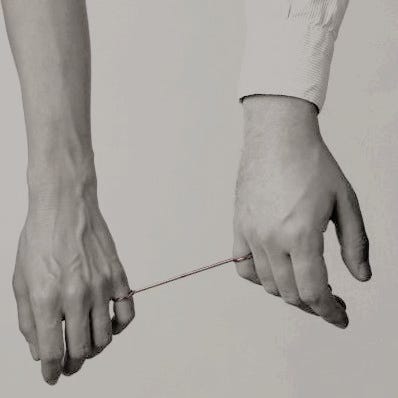
I’m still dissecting the last twelve months. Turning them over in my hands like marbles, trying to understand their weight. Nothing flowed. That’s the clearest way I can say it. Work felt like pushing uphill. Relationships required constant tending. My practice waxed and waned. Every day asked more than I thought I had to give. There were moments—plenty of them—where I wanted to quit everything. Walk away. Start over somewhere easier. But I didn’t. I stuck it out, much to my chagrin at the time. I hung in there when hanging in there felt like the worst possible strategy. And now, somehow, this year has opened up in ways I couldn’t have imagined twelve months ago. Not because I suddenly got better at life, but because I stopped trying to make hard things easy. I’ve been patting myself on the back for this. For embracing the friction instead of running from it. And in the process, I’ve put actual systems in place that help me be more effective without trying so damn hard all the time.
I finally understand what the Bauhaus people were talking about. Also, I watched my favorite film of the year so far, Joachim Trier’s Sentimental Value, and found Buddhist lessons I didn’t know I needed.
So here are three things worth your time this week.
Something to Practice: Embrace Friction
There’s a Tibetan practice called tonglen where you visualize yourself breathing-in suffering and breathing-out relief. It’s culturally counterintuitive. Everything in our bodies wants to push pain away, to optimize it out of existence. But the practice asks you to lean in, touch the pain.
I’ve been thinking about this because I keep catching myself trying to smooth everything over. I want my mornings to flow. I want my relationships to be easy. I want my work to feel effortless. But the truth is, some of the most important things in my life have required sustained friction: learning to sit still for thirty minutes, having hard conversations with people I love, showing up to teach when I’d rather stay in bed.
The Buddha often talks about the persistent unsatisfactoriness of things. Not that everything is terrible, but that everything involves some degree of resistance, some grinding against the grain of how we wish it would be. And here’s the annoying part: he didn’t say fix it. He said understand it. Work with it.
The brain’s neuroplasticity; its ability to rewire itself, happens at the edge of comfort. When things are easy, we’re running on autopilot, laying down the same neural pathways we’ve always used. Growth happens in the friction zone, where we’re challenged enough to stay engaged but not so overwhelmed that we shut down.
This week, try not fixing something that’s hard. Don’t make it easier. Don’t hack it. Just stay with it. Notice what the friction teaches you about yourself, about what matters. See if you can find the aliveness in the struggle.
Something to Learn: Thinking in Systems
So… a small confession: I’ve always been terrible at organization. My desk looks like a crime scene. I start projects I don’t finish. I have seventeen browser tabs open right now, and I’m not entirely sure what any of them are for.
For years, I thought this meant I was broken, that I needed to become someone else, someone who color-codes their calendar and meal preps on Sundays. But then I discovered systems thinking, and it changed everything.
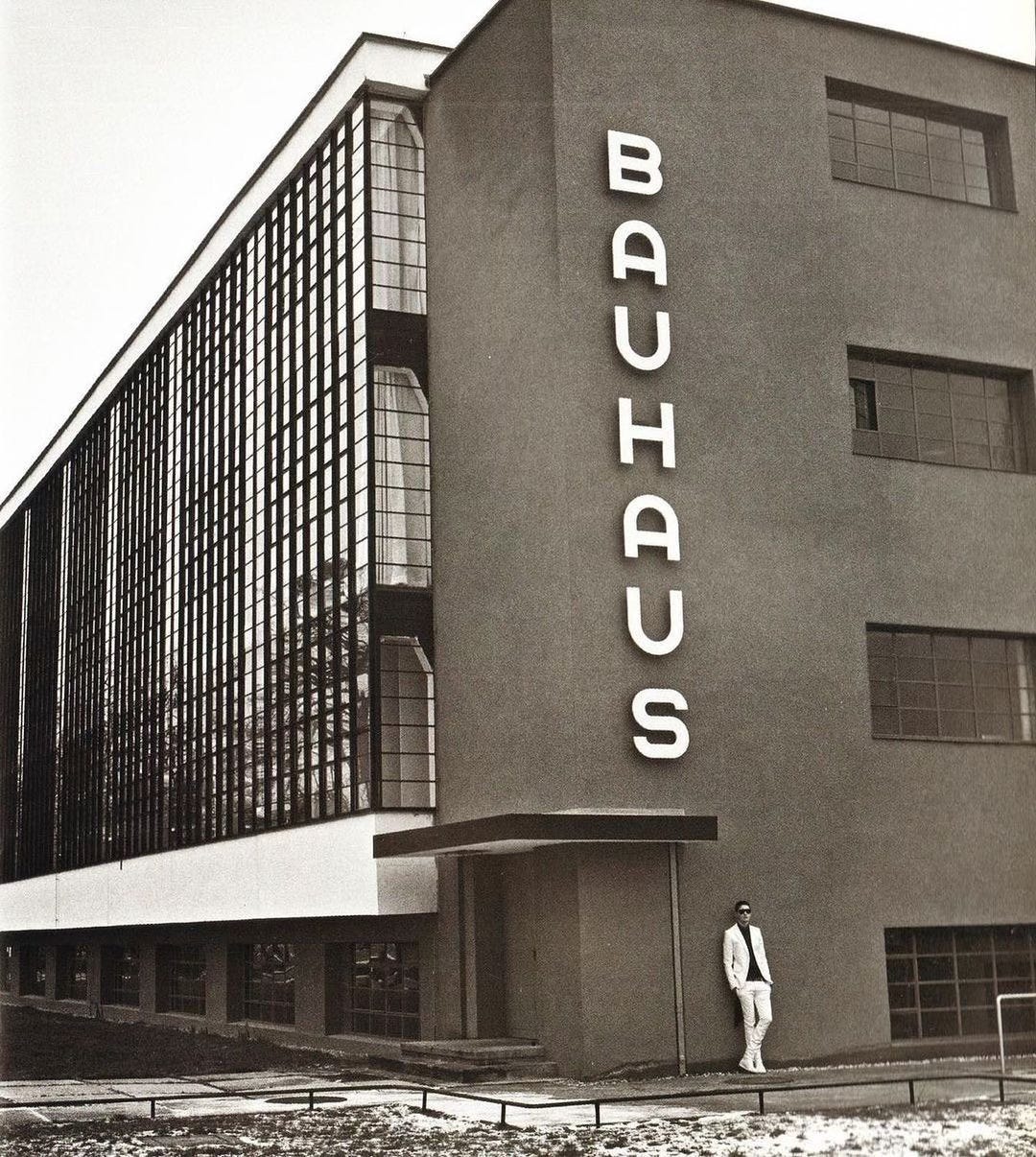
The Bauhaus movement understood something profound about this in the 1920s. Their philosophy wasn’t really about design. It was about removing obstacles between intention and action. Form follows function. Every element serves a purpose. Nothing extra, nothing missing. It sounds rigid, but it’s actually deeply liberating. When your environment supports what matters, you stop wasting energy fighting against your own life.
We sometimes call this skillful means, in Buddhism. The idea that the path should match the person walking it. The Buddha didn’t give everyone the same instructions because he understood that different temperaments need different approaches. Some people need structure. Some need spaciousness. The practice isn’t about conforming to an ideal, it’s about finding what actually works.
The Bauhaus designers were accidentally practicing a kind of Zen minimalism. Not the Instagram version with white walls and expensive nothing, but the real thing…stripping away what obscures clarity. In Zen, they talk about mu: emptiness. Not a void, but space that allows function. A teacup is useful because of the emptiness inside it. Your calendar works when there’s space between commitments. Your mind settles when there’s less mental clutter.
For neurodivergent folks especially, this approach is liberation. Traditional productivity advice assumes we all just need more discipline. But systems thinking says: create conditions where the thing you want to do becomes the easiest thing to do. It’s Bauhaus applied to daily life—design your environment so it holds you without constraining you.
Here’s what this looks like practically: I kept forgetting to meditate. So instead of trying harder, I put my cushion in the middle of the hallway. Now I literally trip over it on my way to make coffee. The system remembers so I don’t have to. It’s elegant because it’s simple. One object, one purpose, maximum effectiveness.
The key is to start with one thing. Pick one recurring frustration this week and ask: what’s the simplest structure that would support this? Not a lifehack. Not optimization. Just honest design that serves the life you’re actually trying to live.
Something to Enjoy: Sentimental Value
Joachim Trier’s new film Sentimental Value does something rare—it explores intergenerational trauma without explaining it away. The film centers on a family navigating decades of unresolved grief, and what makes it worth watching is how it refuses easy resolution.
In Buddhist psychology, there’s a concept called shenpa—the hooks that catch us, those moments when an old pattern activates and we react before we even know what’s happening. Someone says something and suddenly you’re not a grown adult anymore, you’re eight years old wanting something you’ll never get. The film lives in these moments, showing how trauma isn’t just what happened but how what happened keeps happening in the space between people.
Western psychology calls this attachment wounding, the ways our early relationships with caregivers shape how we show up in all our relationships after. Buddhism frames it differently but arrives at similar territory. This is a kind of thirst or craving that drives so much of our suffering. Not just wanting things, but wanting people to be different than they are, wanting the past to have been different, wanting feelings to resolve when they won’t.
What moved me most was how the film understands that healing doesn’t always mean closure. I think this is important for us to consider. Sometimes love and hurt exist in the same breath. Sometimes the most radical thing you can do is stay present with someone even when staying present is painful. This is deep in the mud metta practice in its truest form, not the wellness sanitized “loving-kindness” we see in apps, but the gritty work of keeping your heart open when every instinct tells you to protect yourself.
Research on complex PTSD shows how trauma gets stored in the body, how it lives in our nervous systems as patterns of activation and shutdown. The film captures this beautifully without being clinical about it. You see it in the silence, in the way people physically orient toward or away from each other. The body keeps the score, as Bessel van der Kolk says, and these bodies remember everything.
There’s also some powerful teachings on anicca, impermanence. Even our wounds change. Even our patterns shift. The film doesn’t offer transformation in ninety odd minutes, but it shows people capable of seeing each other differently, even briefly, even incompletely. That’s enough, sometimes.
So go ahead and watch this when you’re ready to sit with something uncomfortable. It might not make you feel better. But it might help you feel more honest about what it means to love people who can’t give you what you need, and to be loved by people you can’t quite reach.
These essays arrive every Sunday. They’re free. If you find them useful, share them with someone who might need them.
This essay truly resonates. Thank you for sharing so openly w us. And especially, I loved your reflections on Sentimental Value, which I also watched. I related to it immensely. Your observation - healing doesn’t always mean closure - is a truth that can free the soul. Hugs to you, my friend. Stay warm.
Love these 3 Things. I just finished reading When Things Fall Apart again, and being reminded of some of the concepts in more practical/daily terms helped them sink in a little deeper.