
Three Things This Week
On staying awake when it would be easier to look away

By now we’ve all been sitting with the news from Minneapolis all week. A mother of three, a poet, killed on a residential street on a Wednesday morning. Her six-year-old’s stuffed animals were still in the glove compartment. She’d just dropped him at school.
The details keep surfacing. Videos from multiple angles. Witnesses describing what they saw. A community trying to make sense of violence that erupted in broad daylight on a tree-lined street where children walk to school.
And I keep asking myself: what does practice mean when the ground itself feels unstable?
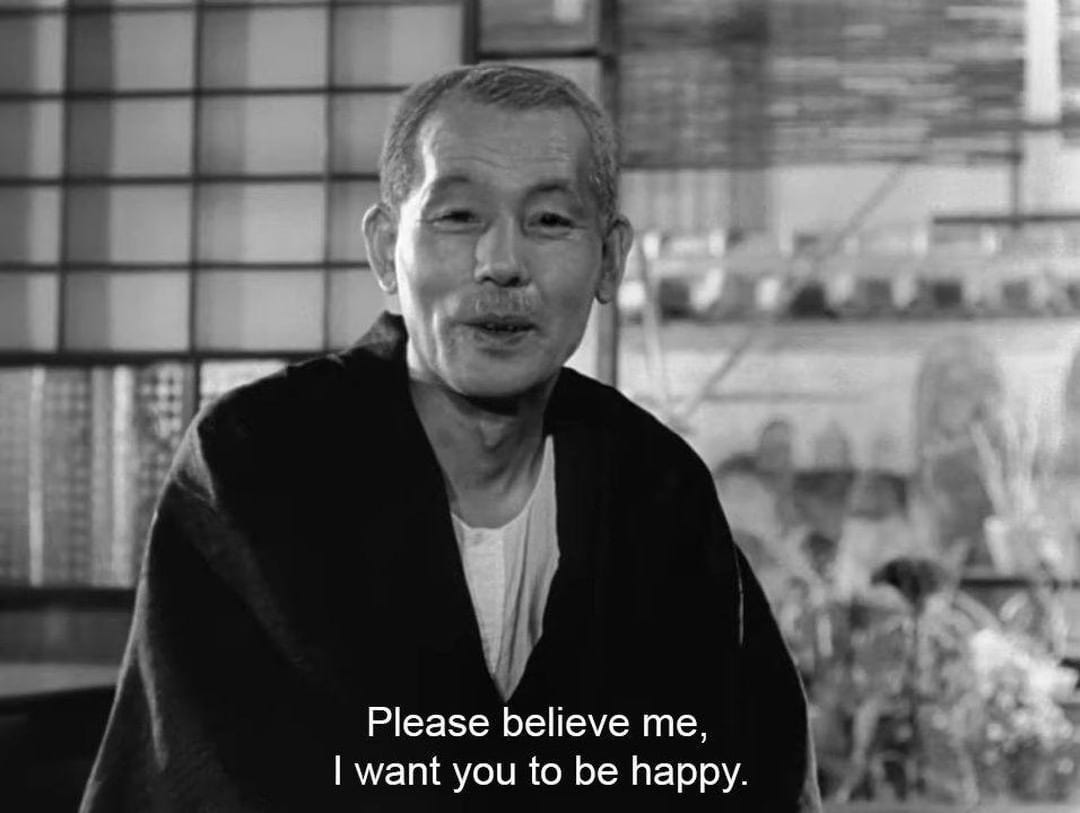
Something to Learn
We’ve been sold a particular version of meditation. Secular mindfulness, for all of it’s benefits and health outcomes promises to calm your nervous system in ten minutes. Wellness influencers talk about “finding your peace” and “staying in your bubble.” The whole industry, at times, seems designed to help us feel better, regulate faster, stress less.
And sure, meditation can do those things. We by now know, regular practice reduces cortisol, improves emotional regulation, helps us respond rather than react. But if that’s all we’re using it for, we’ve missed the point entirely.
The Buddha didn’t sit under the Bodhi tree to feel calmer. He sat to see clearly. To understand the nature of suffering and how we perpetuate it. To recognize interdependence; that nothing exists in isolation, that what happens on streets far from us is not separate from our own lives.
Pema Chödrön calls this “the wisdom of no escape” – meeting the raw edge of experience exactly as it is, not smoothing it over, not making it palatable. Real practice isn’t about achieving peace while the world burns. It’s about staying awake to what’s actually happening, even when it breaks your heart.
This week, I’ve noticed something in my own practice: I can sit with difficult news without immediately checking out into distraction or hardening into cynicism. I can feel the weight of it, let it land in my body, and then ask: what does this ask of me?
Not abstractly. Concretely. What does it ask of me today, in my neighborhood, with my resources?
That’s the shift meditation makes possible – not from distress to calm, but from paralysis to agency. Terror Management Theory shows how awareness of mortality can either make us retreat into tribalism and defensiveness, or expand our sense of meaning and purpose. The difference is whether we meet that awareness with courage or fear.
Practice, at its best, cultivates courage. Not the courage that never feels afraid, but the courage that acts despite fear. The courage that shows up when it matters. The courage that stays engaged even when engagement breaks your heart.
Something to Practice
The Buddha offered the Five Precepts as an ethical framework: refrain from killing, stealing, sexual misconduct, lying and intoxication that clouds the mind. Later traditions expanded these into the Eightfold Path: Right View, Right Intention, Right Speech, Right Action, Right Livelihood, Right Effort, Right Mindfulness, Right Concentration.
But alot of the world isn’t Buddhist. They aren’t following a religious frameworks and don’t need to. But, if you’re meditating I think it’s important you have a framework.
This week, I want you to try something: write down your own ethical principles. Not aspirational Instagram captions. Your actual values – the ones you’d want to govern your actions.
Some thought starters:
What do I believe about how people should be treated?
When I’m scared or angry, what line won’t I cross?
What matters more to me than my own comfort or safety?
What kind of ancestor do I want to be for the people who come after me?
Write five principles or more if you feel called. Be specific. Then comes the harder part: ask yourself where you’re living according to these and where you’re not. Where are you aligned? Where are you avoiding or compromising? Where does the gap between your values and your actions create suffering – for you and for others?
For example: the Buddha’s concept of Right Action doesn’t mean perfect action that fixes everything. It means action that comes from clear seeing, from ethical commitment, from understanding that we’re interconnected. That individual choices ripple outward. That how we show up matters, even when we can’t control the outcome.
But remember, this isn’t about shame. It’s about being radically honest with ourselves. The gap between who we want to be and who we’re actually being is where real change happens. That’s the space where practice becomes lived ethics, where meditation stops being self-care and starts being preparation for showing up in the world with integrity.
You don’t need to be Buddhist to understand that our actions have consequences. You just need to be honest about what you believe and whether you’re actually living it. The practice gives us the clarity to see the gap. The courage to close it is up to us.
Something to Enjoy
Funny story: Years ago, I accidentally took what I thought was a microdose of (magic) mushrooms one afternoon. Turned out, It was not a microdose. I was listening to John Coltrane’s A Love Supreme cycling to Manhatten, this normally centers me. But that day it did not.
Thankfully my Spotify shuffle stumbled onto Slow Meadow’s album Costero, released in 2017, and changed my whole week. The album is ambient, textural, built from piano and guitar that dances gracefully with each other. It kinda held me that afternoon. I was very moved.
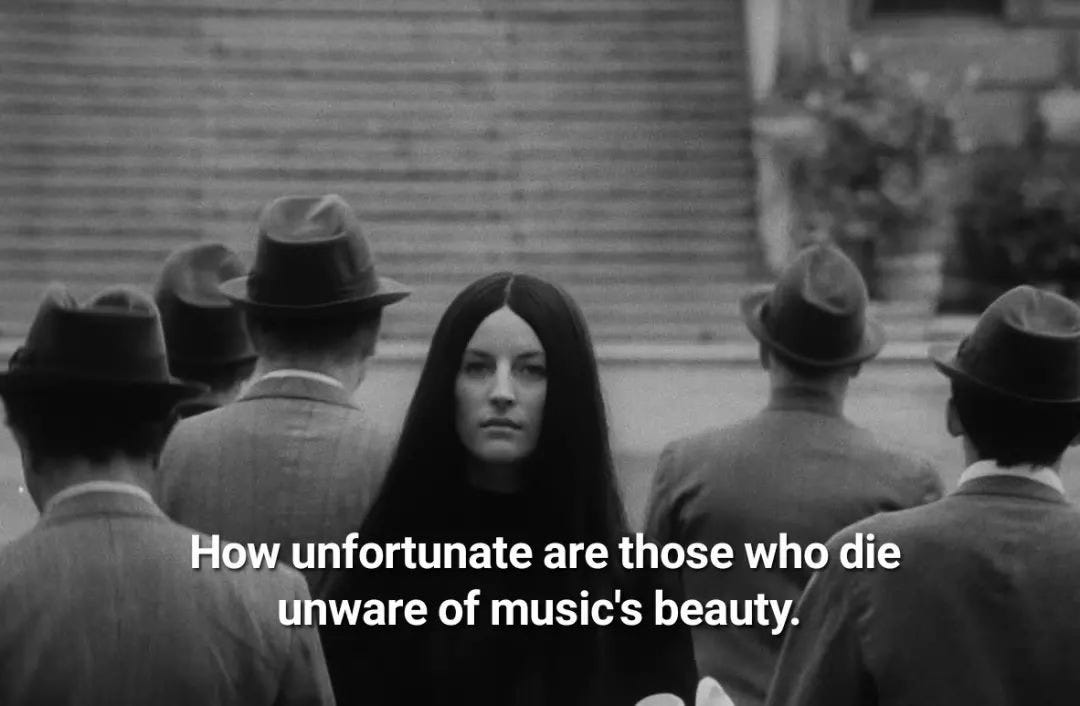
This week, with everything happening, I’ve been returning to Costero. It’s become a kind of refuge that doesn’t require you to pretend everything’s okay. It just gives your nervous system permission to soften for thirty-eight odd minutes. To feel the breaking open without breaking apart.
Sometimes we need John Coltrane’s confrontation. Sometimes we need Slow Meadow’s tenderness. Both are part of practice. Both help us meet what’s here.
So as you move into this week, here’s what I keep coming back to: practice doesn’t protect us from heartbreak. It teaches us how to let our hearts break open instead of closed.
How to stay tender instead of hardening. How to let difficulty clarify rather than confuse our sense of purpose.
The world needs people who can stay present to what’s hard without becoming cynical or numb. Who can feel deeply and act clearly. Who understand that spiritual practice isn’t about transcending the mess of being human – it’s about showing up more fully to it, with more courage, more compassion, more commitment to living according to what we say we believe.
That’s the practice. It’s messy and not perfect. Just the daily work of closing the gap between our values and our actions, one honest choice at a time towards a life of wisdom and contentment.
Have a great week.
Manoj.